
The true bottleneck in AI-driven pharmaceutical R&D is not the model itself.
On August 6, during BPD 2026, the special forum "AI-Empowered Innovative Drug R&D and Application Practices" hosted by Matwings Technology was held at the Zhangjiang Science Hall in Shanghai, with standing room only.
"Precise small data is far more valuable than vague big data"; "It is not lottery-style disruption, but a steady stream of small surprises" — these core judgments ran throughout the entire discussion. As MatwingsVenus™ has fully connected the end-to-end pipeline from protein design to automated experimentation, industry attention is shifting from algorithm iteration to more fundamental yet urgent issues such as data quality and closed-loop dry-wet lab integration.
01
The Technical Dream Team Takes the Stage
Tan Yang, Research Scientist at Matwings Technology AI Lab, took the stage first, presenting on "Innovative Practices in Protein R&D Enabled by MatwingsVenus™." Opening his talk with the analogy that "the ideal protein AI model is a Swiss Army knife," he analyzed existing industry pain points: current protein AI models typically serve single functions, and traditional AI tools cannot support a complete R&D closed loop.
As a core developer of the MatwingsVenus™ agent, Tan explained the platform's core advantages over traditional single-point AI tools from the perspective of underlying protein model technology: the platform breaks through two critical technical boundaries — "direct function prediction from sequence" and "natural language-driven experimentation" — and possesses full-stack capabilities from AI design to automated experimental execution. It truly achieves "not just understanding, but designing; not just answering, but executing," injecting continuous innovation momentum from 0 to 1 and from 1 to N into protein R&D.
Tan Yang, Research Scientist at Matwings Technology AI Lab
Li Song, Head of AI+Innovative Drug R&D at Matwings Technology, delivered a presentation titled "Large Models and Multi-Agent Systems Advancing Innovative Drug R&D Progress," systematically outlining cutting-edge applications of AI large models and multi-agent technologies across three core areas: protein structure prediction, de novo protein design, and directed protein evolution systems.
"Traditional protein design requires human experts to chain multiple tools together, while LLM agents are automating and intellectualizing this entire process," Li pointed out, identifying the essence of this technological leap. Building on this foundation, he comprehensively demonstrated the robust capabilities of the company's AI protein design platform in de novo design, directed evolution, and protein discovery, supplemented by multiple real-world implementation cases. He vividly illustrated how AI protein design deeply penetrates every stage of innovative drug R&D — from target discovery to candidate molecule optimization, from rational design to experimental validation — with each step becoming more efficient, precise, and accessible through agent collaboration.
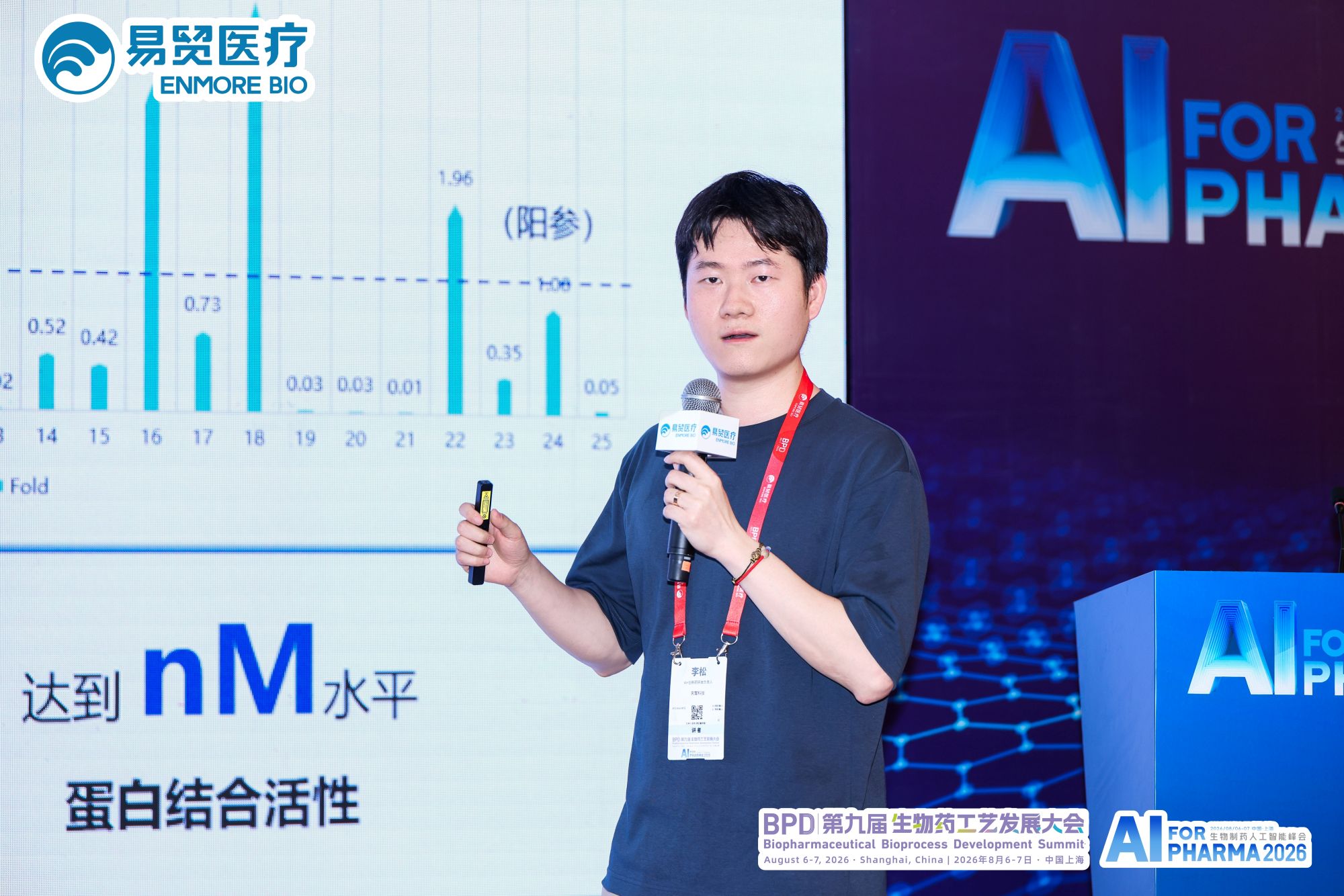
Li Song, Head of AI+Innovative Drug R&D at Matwings Technology
Gai Yunchao, Senior Vice President of R&D at Shengwu Therapeutics (生鹜医药), presented on "AI-Driven Protein Design: Reshaping the Future of Gene Therapy," exploring in depth how AI-driven protein design breaks through traditional limitations and addresses key bottlenecks in the gene therapy field, including delivery efficiency, specificity, immunogenicity, gene editing efficiency, and drug costs.
He noted that AI protein design has already achieved a paradigm shift in R&D from "discovery" to "creation" — this is not merely an upgrade of technical tools, but a new industrial infrastructure supporting the next generation of gene therapy. It is accelerating the translation of laboratory proof-of-concept into scalable commercial clinical pathways. However, he also cautioned that the path to technology translation remains fraught with practical challenges: from data silos to closed-loop construction, from process scale-up to regulatory adaptation, every step tests the industry's patience and wisdom. Only by securing AI protein design as a core strategic capability can companies gain first-mover advantage and lead the future in the high-growth gene therapy sector.
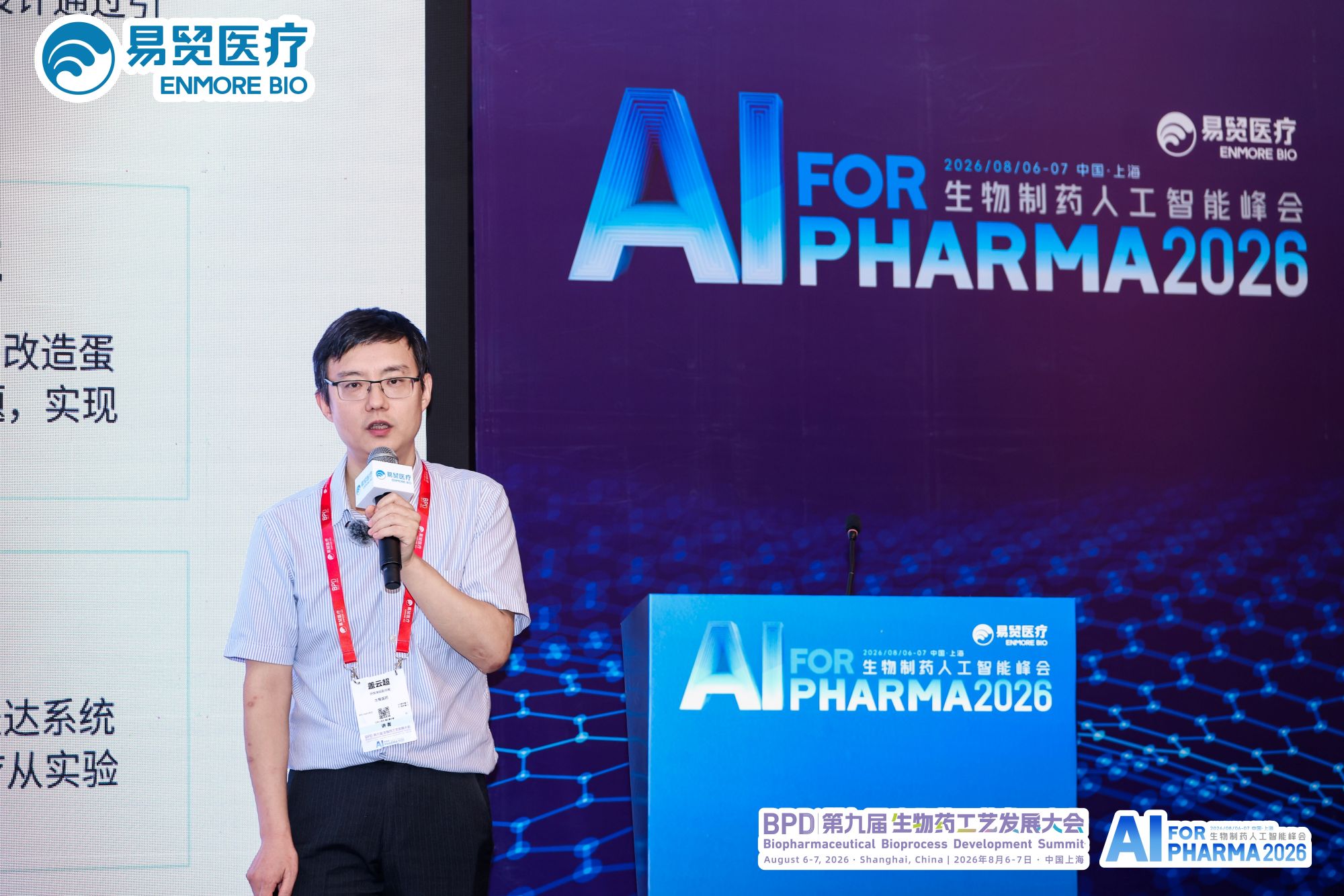
Gai Yunchao, Senior Vice President of R&D at Shengwu Therapeutics
02
AI Is Not a Lottery Ticket — It Delivers "A Steady Stream of Small Wins"
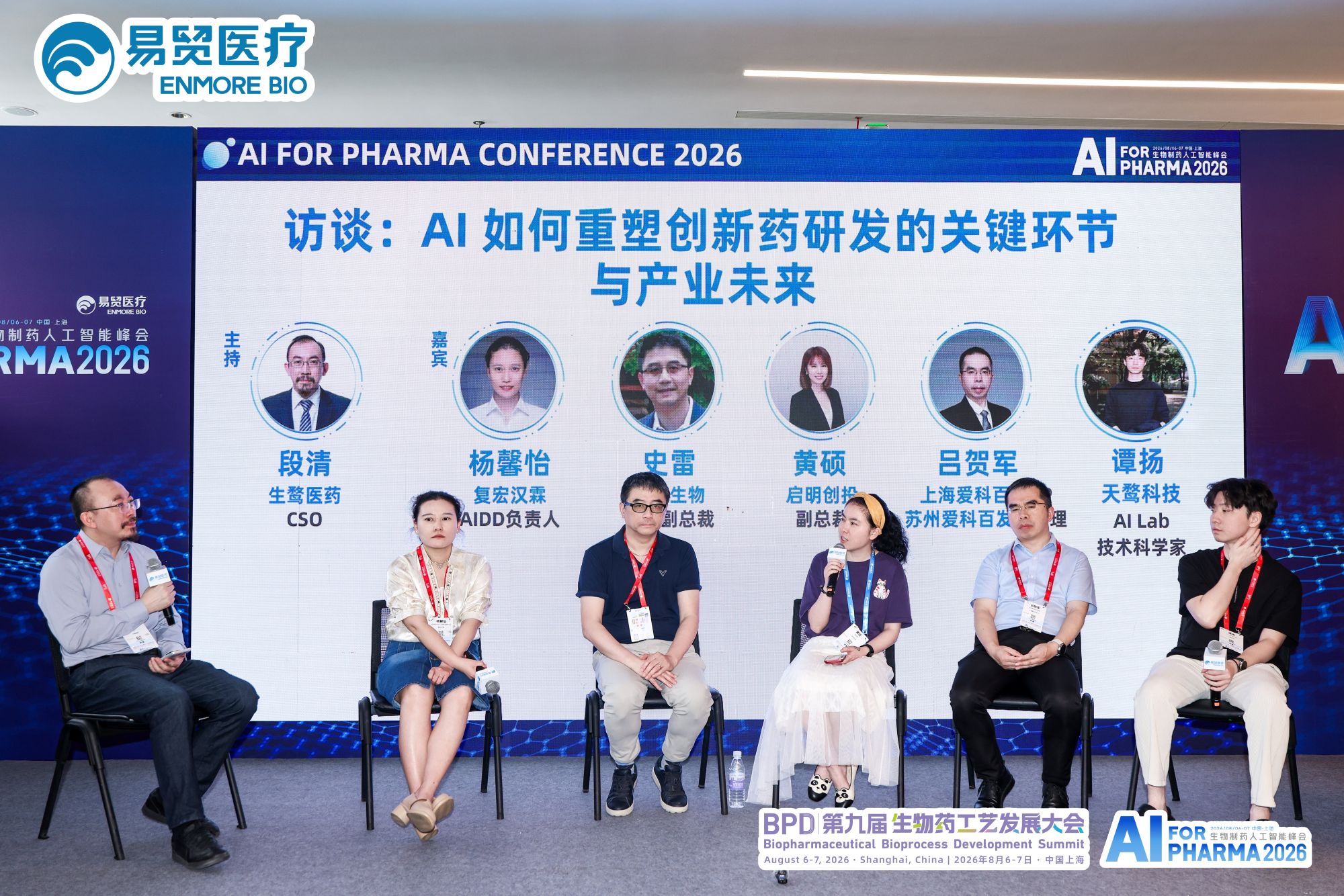
Following the keynote presentations, the forum entered a panel discussion. Moderated by Duan Qing, CSO of Shengwu Therapeutics, the panel — titled "How AI Reshapes Key Stages of Innovative Drug R&D and Industrial Future" — featured Yang Xinyi, Head of AIDD at Henlius (复宏汉霖); Shi Lei, Senior Vice President of Biointron (百英生物); Huang Shuo, Vice President at Qiming Venture Partners; Lyu Hejun, VP of Shanghai Ark Biopharmaceutical and General Manager of Suzhou Ark Biopharmaceutical; and Tan Yang, Research Scientist at Matwings Technology AI Lab. The panel engaged in in-depth discussion around three core topics: how AI will reshape key stages of innovative drug R&D, how AI-empowered innovative drug R&D can move from technical validation to real-world implementation, and where the industrial landscape and future trends of AI-driven innovative drug R&D are headed.
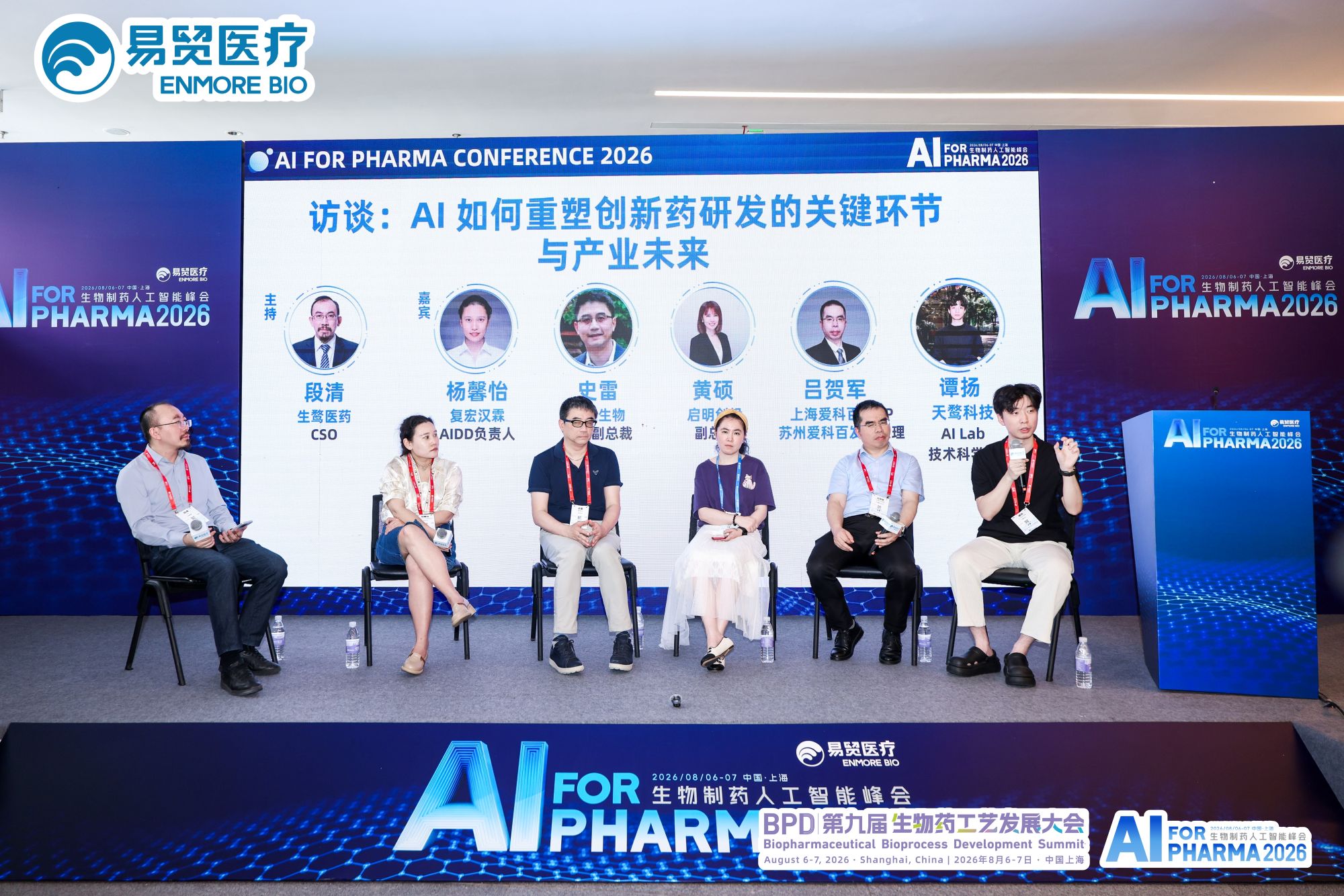
Duan Qing, CSO of Shengwu Therapeutics, opened the discussion by addressing industry pain points, pointing directly to the core constraints on new drug R&D efficiency and success rates. He posed two provocative questions: Will AI simply accelerate existing processes, or can it break through the cognitive boundaries of human researchers? And when it comes to implementation, where does the real threshold lie — in data quality, model reliability, or experimental validation and collaborative capabilities?
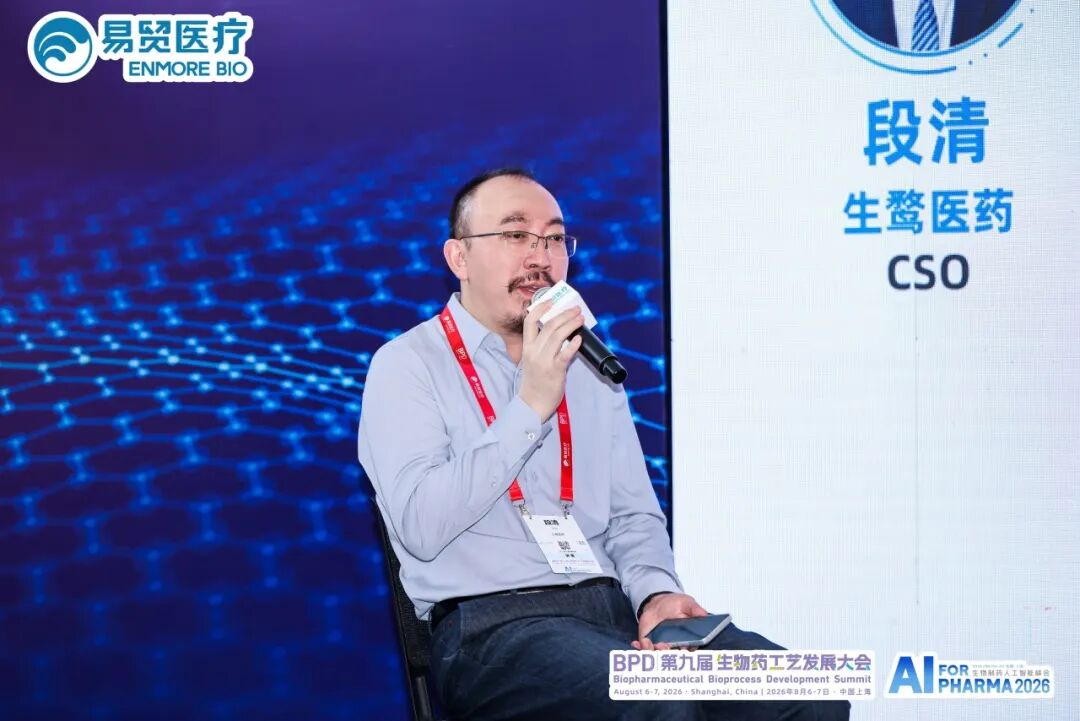
Duan Qing, CSO of Shengwu Therapeutics
Yang Xinyi, Head of AIDD at Henlius, shared that AI demonstrates outstanding advantages in molecular screening and molecular optimization scenarios: it can both accelerate existing R&D processes and expand accessible chemical space, generating molecules that human experience would rarely conceive. However, target discovery and clinical-stage applications remain constrained by long validation cycles and high trial-and-error costs, making implementation significantly more challenging. She advised the industry: "There is no need to pin hopes on AI delivering lottery-style disruptive breakthroughs; instead, it brings a steady stream of small wins." Every link in the full new drug R&D chain carries failure risk, and AI is better suited to empowering well-defined, single-point tasks with clear objectives — end-to-end fully automated new drug R&D remains out of reach at this stage.
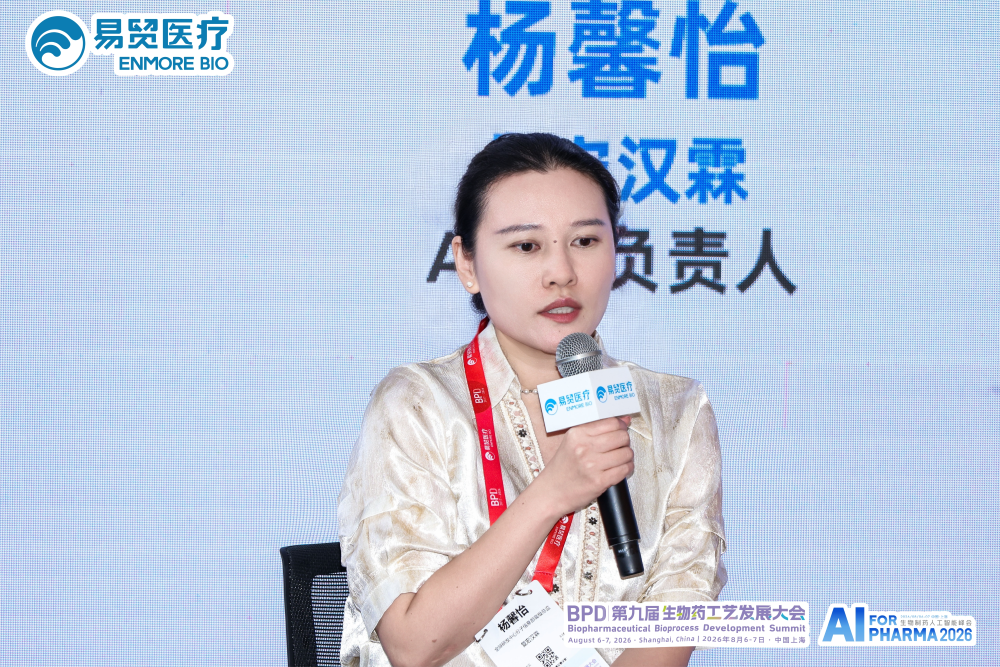
Yang Xinyi, Head of AIDD at Henlius
Shi Lei, Senior Vice President of Biointron, who has spent years working in early antibody discovery, noted that AI is now maturely implemented in antibody screening and molecular optimization, significantly accelerating R&D timelines. However, the core bottleneck for AI applications in new drug R&D lies upstream in target identification and project initiation. Unlike mathematical and physical domains with clear logic and pathways, biological systems are complex and contain vast unknown territories, leaving AI with obvious capability gaps in target discovery and clinical translation. Yet precisely because of the need to explore these unknown domains, researchers are increasingly willing to leverage AI tools to empower experimentation.
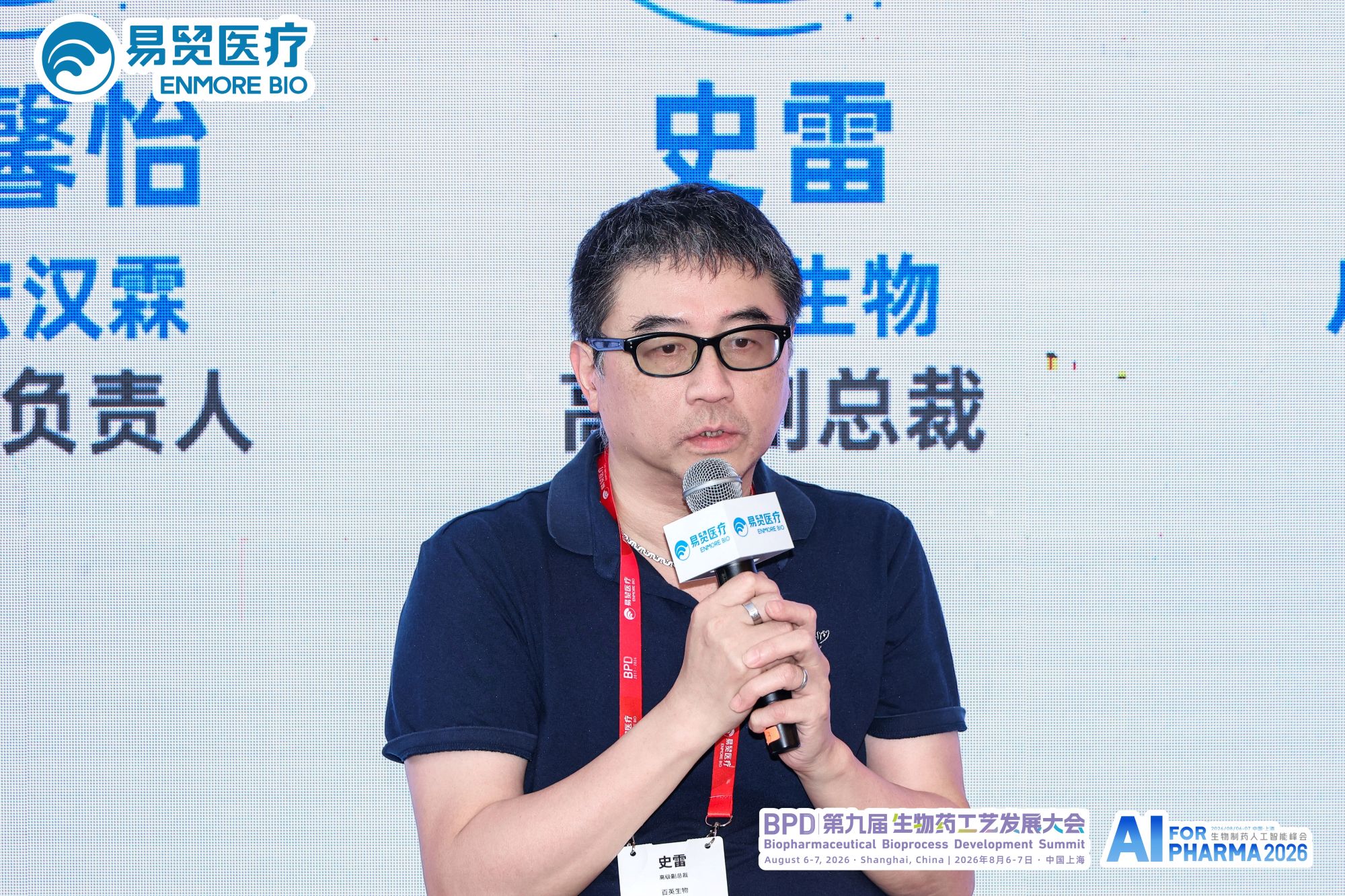
Shi Lei, Senior Vice President of Biointron
Huang Shuo, Vice President at Qiming Venture Partners, offered analysis from an investor perspective, drawing on evaluations of numerous innovative drug projects. First-in-class innovation at the source is constrained by fragmented research systems and high validation costs, with very few projects successfully making it through the pipeline. The industry generally avoids upstream risk and crowds into best-in-class molecular optimization tracks, and this internal competition further amplifies the value of AI tools. She corrected a major industry misconception about data: "Many people fantasize that training AI requires massive historical internal data from major pharmaceutical companies. But pharma companies' historical experiments were designed to validate their own projects, not to train AI, so their actual training value may not be as high as imagined." Rather than simply pursuing data volume and quality, designing experiments from scratch tailored to AI training needs to produce dedicated datasets is a far more efficient path.
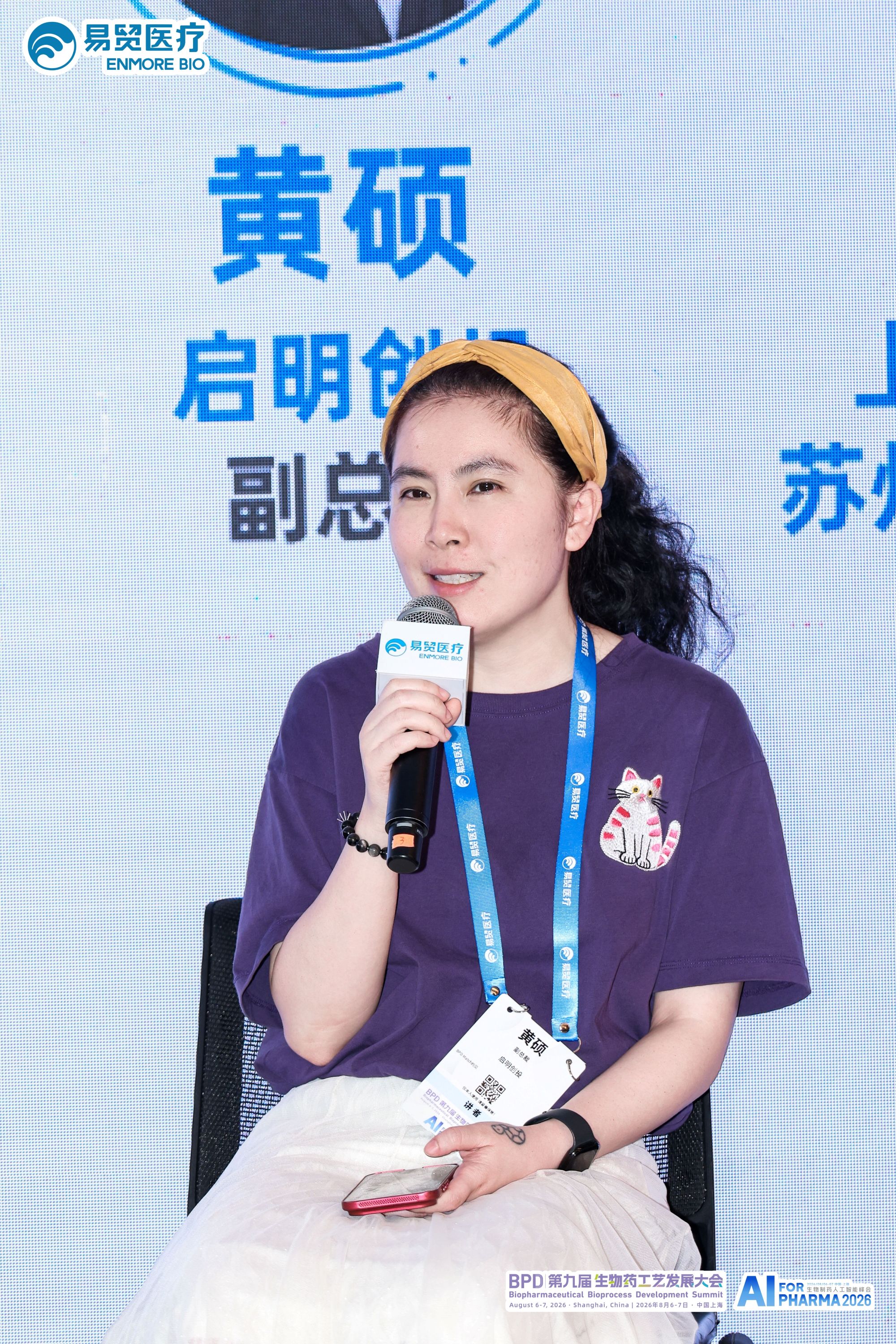
Huang Shuo, Vice President at Qiming Venture Partners
Lyu Hejun, VP of Shanghai Ark Biopharmaceutical and General Manager of Suzhou Ark Biopharmaceutical, stated based on industry practice and research findings that industrial implementation of AI-driven drug discovery is not a single-link issue, but is constrained and coupled by four mutually influential factors: data quality and accessibility, model reliability, closed-loop dry-wet lab experimental validation, and cross-disciplinary collaboration. He noted that data shortcomings are currently the leading cause of failure in AI pharma projects, while the black-box nature of AI models has also become a core regulatory pain point for the industry. He emphasized that the upper performance limit of AI models is entirely determined by training data quality; even if model algorithms perform excellently, R&D implementation cannot progress without a robust experimental validation system. As he put it: "No matter how good the model output is, if experimental validation cannot keep up, it is like a car with one round wheel and one square wheel — it still won't go fast."
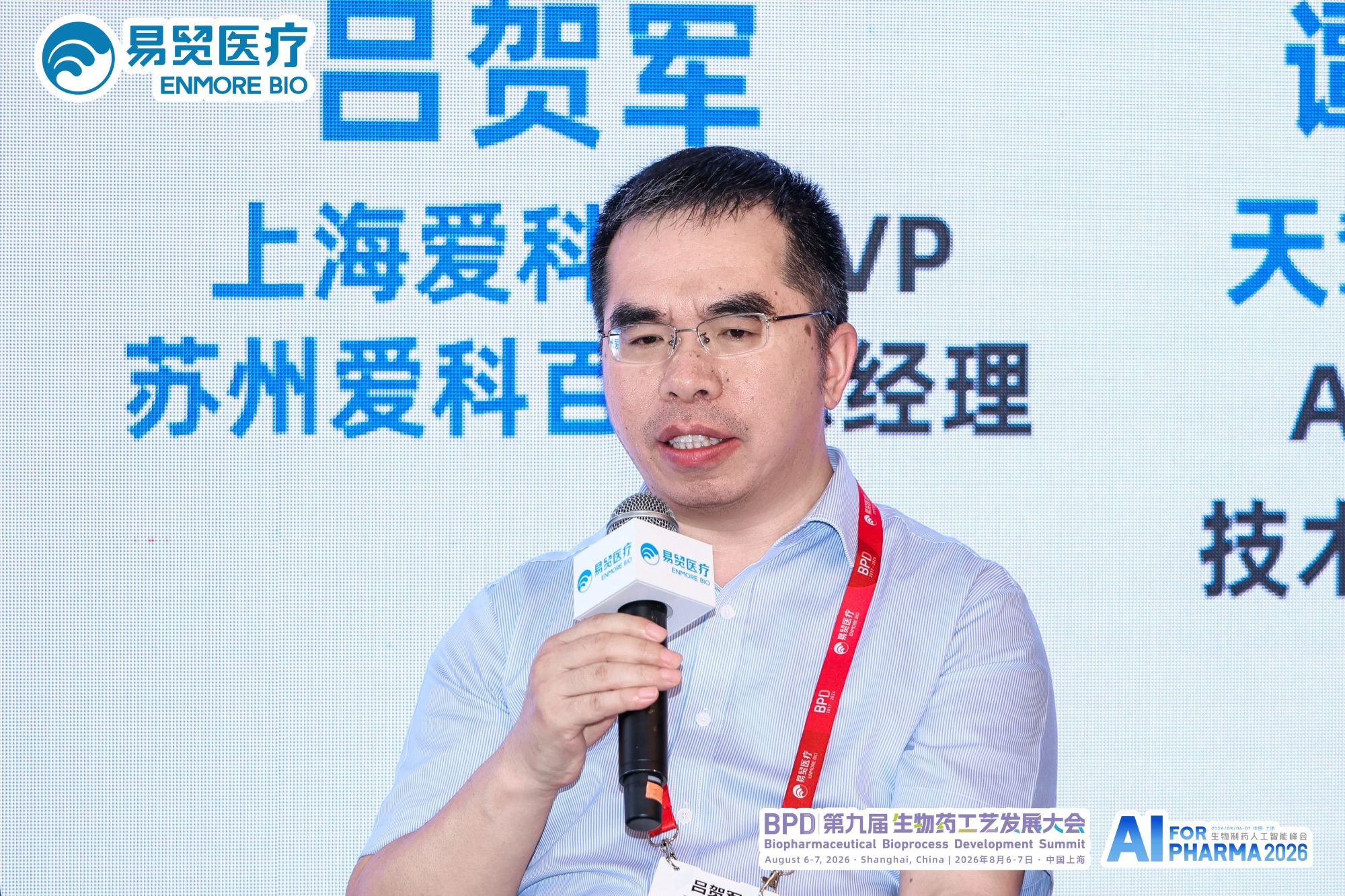
Lyu Hejun, VP of Shanghai Ark Biopharmaceutical and General Manager of Suzhou Ark Biopharmaceutical
Tan Yang, Research Scientist at Matwings Technology AI Lab, pointed out that the core value of AI in empowering new drug R&D lies in accelerating the discovery of entirely new pathways beyond human cognition. The low-hanging fruit accessible to traditional R&D methods has largely been exhausted, and while AI suffers from weak interpretability, it delivers practical value as long as its outputs are validated as effective through experimentation. Addressing the implementation challenges commonly faced by the AI pharma industry, Tan identified data construction as the core crux, emphasizing that precision far outweighs data volume: "No matter how much dirty data you feed in, the model will only run further in the wrong direction; precise small data is far superior to vague big data." He proposed a pragmatic implementation roadmap: by breaking R&D down into small, clearly bounded tasks, eliminating R&D breakpoints, prioritizing data precision before accumulating data volume, and refining models based on precise, high-quality datasets — this is also the core key to enabling closed-loop dry-wet lab implementation in AI-driven drug discovery.
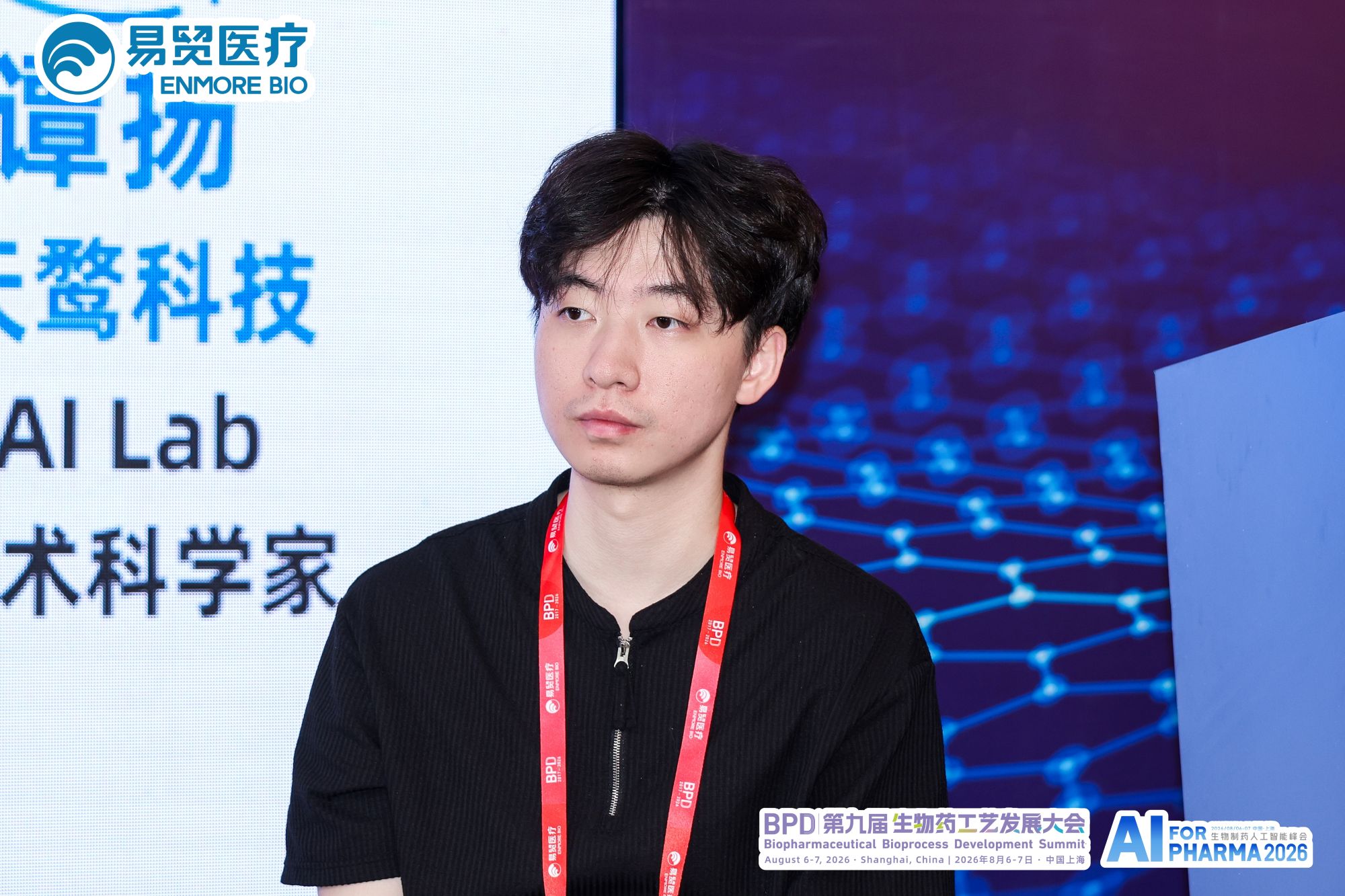
Tan Yang, Research Scientist at Matwings Technology AI Lab
Closing the event, Duan Qing synthesized the panelists' perspectives: the bottleneck in innovative drug R&D stems from insufficient depth and breadth of scientific understanding, but AI is far from useless. In short-cycle, rule-based tasks such as molecular screening and optimization, it has already demonstrated definitive value — not only can it greatly accelerate processes, but it can also step outside empirical frameworks to deliver counterintuitive solutions. However, Duan also emphasized that implementation must confront the reality of uneven data quality; going forward, the industry should focus on directionally generating high-quality, standardized experimental data aligned with model requirements, rather than blindly relying on legacy historical data. This pathway, he suggested, may be the real fulcrum through which AI truly leverages R&D transformation.
Across the entire forum, a quiet consensus emerged: AI in innovative drugs is neither a panacea nor a bubble gimmick. It is more like a key being painstakingly filed into shape — whether it can unlock the door to new medicines depends on how pure the "blank" of data is, and on whether we are willing to set aside fantasies of "one-click solutions" and patiently file the teeth one turn at a time.
As the event concluded, afternoon sunlight slanted across the floor-to-ceiling windows, illuminating the unmistakable "we haven't finished talking" excitement on every face. Perhaps the most moving aspect of this forum was not the flashy technical jargon, but the shared conviction in everyone's eyes: this path is difficult, but it is worth taking. AI will not build tomorrow's medicines for us, but it is helping us avoid yesterday's pitfalls. The rest we leave to time — and to the next round of experiments.