
On October 23, the winners of the 2026 "Data Elements ×" Competition National Finals were officially announced. Shanghai Matwings Technology Co., Ltd. won First Prize in the Science and Technology Innovation Category for its project, "High-Quality Data-Driven Physical AI Agent for Protein Design."
Following its First Prize win at the Shanghai regional competition, this national recognition further highlights Matwings Technology's capabilities in leveraging high-quality data to advance AI-driven protein design and translate technological innovations into industrial applications.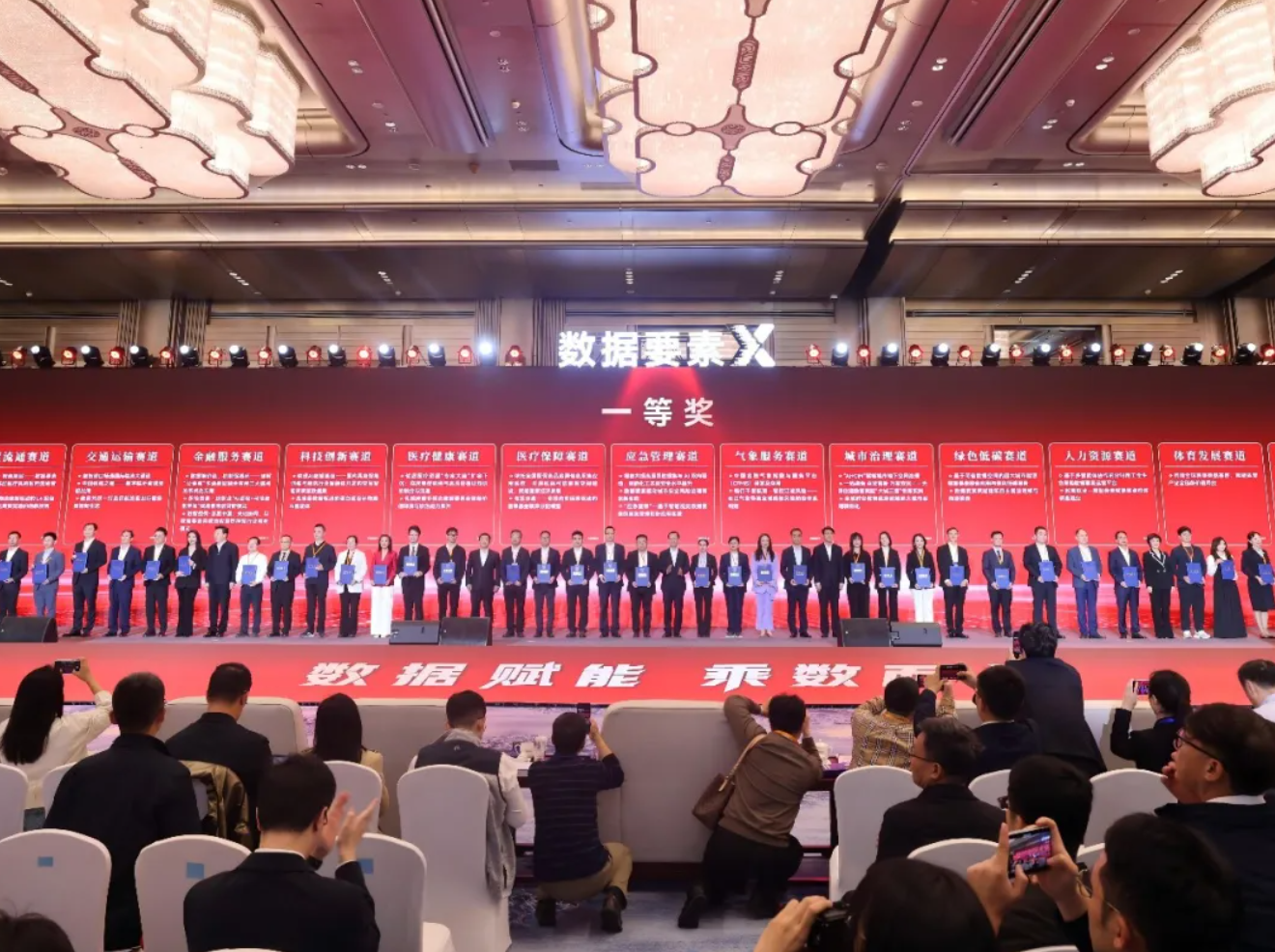
Figure 1: Matwings Technology Wins First Prize in the Science and Technology Innovation Category of the "Data Elements ×" Competition
Proteins are essential functional molecules in living systems, with applications spanning pharmaceuticals, food production, diagnostics, agriculture, green energy, and industrial manufacturing. However, naturally occurring proteins often fall short of complex industrial requirements in terms of stability, activity, and binding affinity, making high-performance protein design increasingly essential across industries.
Traditional protein R&D relies heavily on empirical approaches and large-scale screening, resulting in lengthy development cycles and high trial-and-error costs. While AI offers a promising path to overcoming these limitations, significant data challenges remain. Most publicly available datasets focus on protein sequences and structures, while experimental data reflecting actual protein functions and industrial performance remain relatively scarce and lack consistent standards.
Enabling AI to move beyond understanding protein sequences and structures toward accurately predicting protein functions and guiding real-world R&D has become a critical challenge in unlocking the value of high-quality data.
To address this challenge, Matwings Technology has independently developed a comprehensive data governance toolchain covering data acquisition, compliance documentation, data cleaning and governance, and dataset storage and archiving. This system transforms complex, heterogeneous data into high-quality, AI-ready datasets that can be directly used for model training.
To date, the company has built datasets containing tens of billions of protein sequences and approximately 6.7 billion functional and environmental annotations, encompassing multimodal information such as protein sequences, structures, functions, and antibody–antigen interactions.
Its VenusPod dataset was previously selected as a national exemplary case for high-quality datasets, providing a recognized, high-quality data foundation for AI protein design.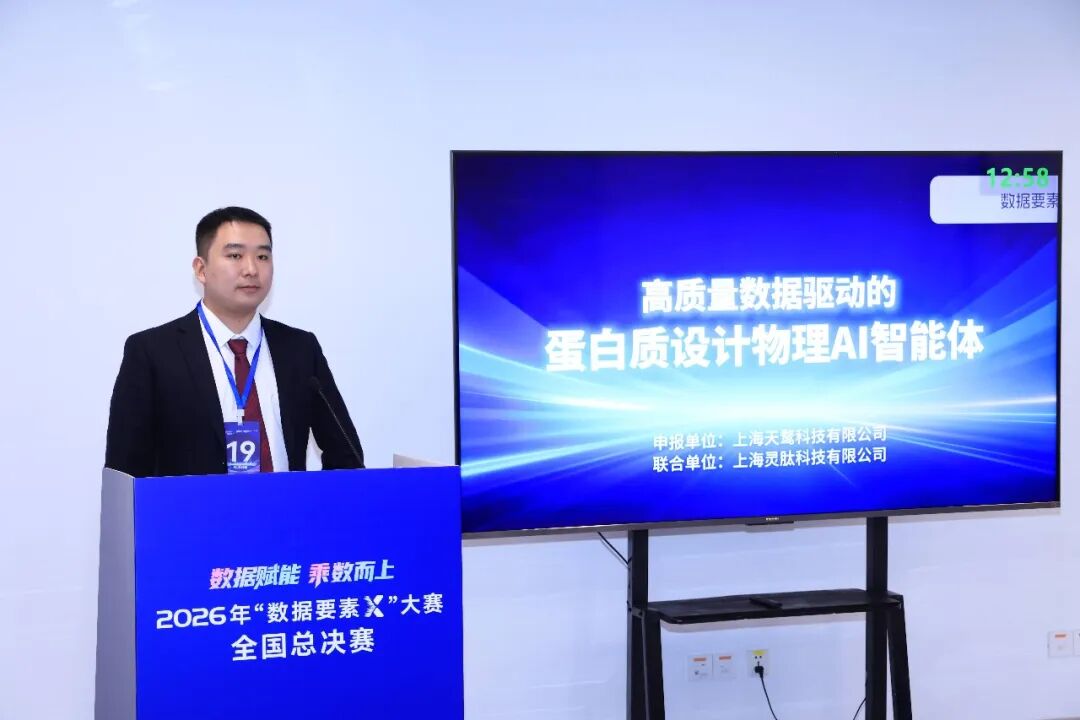
Figure 2: Li Mingchen, Chief Scientist of Matwings Technology AI Lab, Presenting the Project During the Final Evaluation
High-Quality Data Powers
Advanced AI Protein Models
The combination of high-quality data and algorithmic innovation has enabled Matwings Technology to develop internationally competitive AI models.
Pretrained on these datasets, the Venus family of models forms a comprehensive model suite covering protein sequence and structure modeling, directed evolution, and enzyme discovery. These models support zero-shot mutation effect prediction, few-shot learning, and functional enzyme discovery with or without sequence templates, addressing diverse protein R&D needs.
Among them, VenusREM, designed for zero-shot mutation effect prediction, has consistently ranked at the top of ProteinGym, a benchmark developed by researchers at Harvard Medical School. It has also been recognized as an authoritative industry reference for protein mutation prediction in Harvard University's recently released PG-LLM preprint benchmark evaluation.
From AI Models
to Closed-Loop Protein R&D
To further unlock the potential of high-quality data and translate model capabilities into practical R&D workflows, Matwings Technology has integrated AI agents with automated experimentation to develop MatwingsVenus®, an AI-driven protein R&D platform that connects computational design with experimental validation in a closed loop.
The platform uses an AI agent as a unified interface for research tasks, dynamically orchestrating the Venus models to generate candidate molecules according to specific R&D requirements. It then coordinates an autonomous laboratory to perform protein expression, purification, and testing, connecting computational design with automated experimental validation.
This creates a continuous "Design–Validate–Iterate–Improve" cycle, transforming protein knowledge embedded in data into actionable and experimentally verifiable R&D solutions.
Powered by high-quality data, the Venus model family, and AI-agent-orchestrated laboratory automation, protein R&D is evolving from a traditional sequential process of manual design, batch-by-batch experimentation, and repeated redesign into an integrated workflow combining large-scale AI design, parallel automated validation, and iterative optimization based on experimental results.
This approach has reduced protein development cycles from the traditional 3–5 years to 2–6 months, while increasing the positive hit rate of candidate molecules from below 5% to over 40%.
Using this integrated system, Matwings Technology has successfully designed and engineered more than 30 protein products. The platform has also supported industrial validation projects involving PET-degrading enzymes, alkali-resistant Protein A affinity chromatography resins, and diabetes-friendly lactulose, demonstrating the practical value of high-quality data across green recycling, biopharmaceuticals, and food manufacturing.
Advancing AI-Driven Protein Innovation
Through High-Quality Data
Winning First Prize at the National Finals recognizes Matwings Technology's achievements in data-driven innovation and industrial applications.
Looking ahead, the company will continue strengthening the integration of high-quality data and AI technologies, accelerating protein R&D to address real-world industrial needs and unlocking the potential of data as a key driver of innovation in life sciences and biomanufacturing.